Top 5 Best Overdrive Pedals for Guitar Players: From Bluesy Breakup to High-Gain Bite
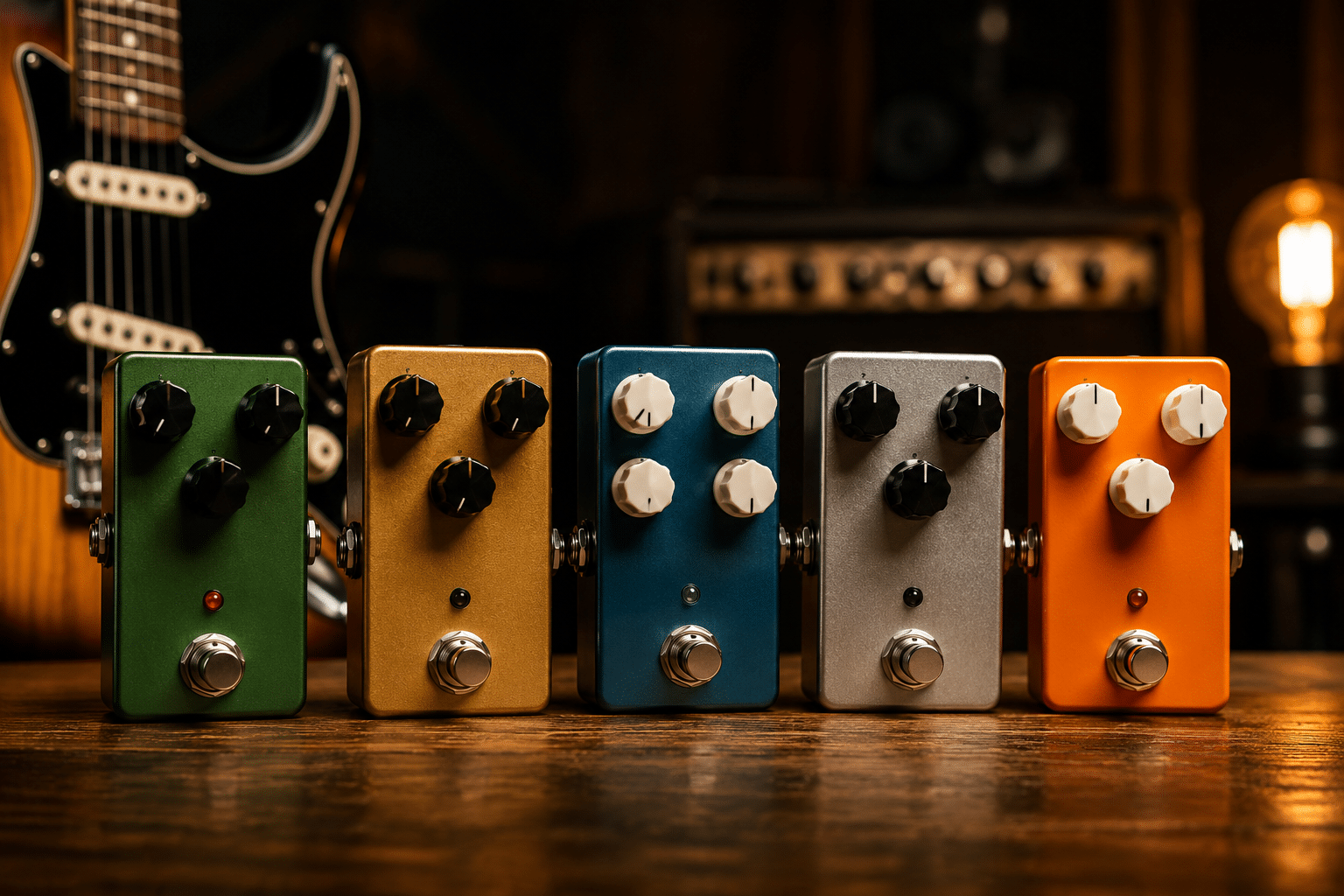
Whether you’re trying to push a clean amp into warm breakup, tighten up a high-gain tone, add bluesy grit, or make your solos jump out of the mix, overdrive is one of the most useful effects a guitarist can own. It’s the kind of pedal that can quietly become the “always on” secret sauce of your sound.
But here’s the tricky part: not all overdrives do the same thing.
Some are smooth and mid-focused. Some are transparent and amp-like. Some are gritty, aggressive, and almost distortion-like. So instead of just throwing random pedals at you, let’s break down five of the best overdrive pedals for guitar players and what each one does best.
For this list, we’ll focus on five standout pedals from your picks: Boss BD-2 Blues Driver, MXR Duke of Tone, JHS Morning Glory, MXR Timmy Overdrive, and the legendary Ibanez TS808 Tube Screamer.
1. Boss BD-2 Blues Driver: The Affordable Classic That Still Rips
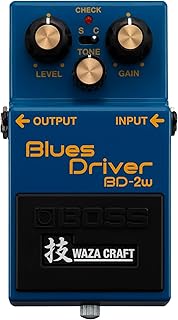
The Boss BD-2 Blues Driver is one of those pedals that proves you don’t need boutique prices to get a killer tone. It has been around for decades, and for good reason: it sounds great, it’s tough as a tank, and it works in a ton of different styles.
Despite the word “blues” in the name, the BD-2 is not just for blues players. Sure, it can give you that warm, gritty edge-of-breakup tone for Stevie Ray Vaughan-style licks, but crank the gain and it gets surprisingly raw and rock-friendly.
The BD-2 has a more open and slightly fizzy character compared to a Tube Screamer. That can be a good thing if you want your guitar and amp to still feel wide and dynamic.
Best for:
- Blues and classic rock
- Indie and garage rock
- Always-on light breakup
- Players who want a budget-friendly overdrive pedal
Practical tone setting:
- Level: 1–2 o’clock
- Tone: 11 o’clock
- Gain: 9–11 o’clock for light breakup, 2 o’clock for dirtier rock tones
Try using the BD-2 with a clean Fender-style amp and a Strat or Tele. You’ll get that responsive, touch-sensitive drive where picking softly stays clean-ish, but digging in gives you grit. That’s where this pedal shines.
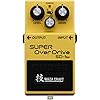
2. Ibanez TS808 Tube Screamer: The Midrange King
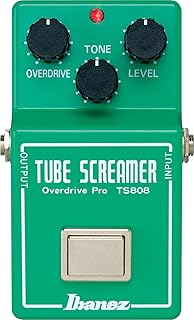
The Ibanez TS808 Tube Screamer is probably the most famous overdrive pedal ever made. If you’ve listened to blues, rock, country, or metal guitar tones in the last few decades, you’ve heard some version of this circuit.
What makes the TS808 special is its midrange hump. In simple terms, it pushes the middle frequencies of your guitar tone, which helps you cut through a band mix. It also slightly tightens the low end, making it great not only for blues leads but also for boosting high-gain amps.
This is why players from Stevie Ray Vaughan to metal guitarists have used Tube Screamer-style pedals. It can be the main overdrive sound, or it can work as a boost in front of an already dirty amp.
Best for:
- Blues leads
- Classic rock
- Tightening high-gain amps
- Solos that need to cut through
Practical tone setting for blues lead:
- Drive: 10–11 o’clock
- Tone: Noon
- Level: 1–2 o’clock
Practical tone setting for metal boost:
- Drive: Almost off
- Tone: Noon to 1 o’clock
- Level: Max or near max
If you’re playing into a crunchy Marshall-style amp, a TS808 can make solos feel smoother and more focused. If you’re playing metal, it can tighten palm-muted riffs so they don’t get muddy.
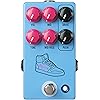
3. JHS Morning Glory: Transparent Overdrive With Boutique Feel
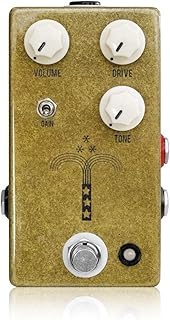
The JHS Morning Glory is a favorite among guitarists who want an overdrive that feels natural and amp-like. It’s often described as a transparent overdrive, which means it doesn’t heavily change your guitar’s core tone.
Instead of adding a big midrange push like the Tube Screamer, the Morning Glory keeps things open, clear, and dynamic. If you love your amp’s clean tone but wish it had just a little more hair, this pedal is right in the sweet spot.
It’s especially good for players who use clean or slightly breaking-up amps and want a pedal that responds like an extension of the amp rather than a totally separate effect.
Best for:
- Worship guitar
- Indie rock
- Country
- Blues
- Always-on edge-of-breakup tones
Practical tone setting:
- Volume: Unity or slightly above
- Drive: 9–11 o’clock
- Tone: Noon
- Gain toggle: Low gain for subtle drive, high gain for more push
The Morning Glory is great if you play chords with lots of open strings, like modern worship or indie parts. It keeps the note clarity intact, so your beautiful chord voicings don’t turn into a blurry wall of mush.
If you use delay and reverb after your drive pedals, this one sits beautifully in a spacious pedalboard setup.
4. MXR Timmy Overdrive: Small Pedal, Huge Flexibility
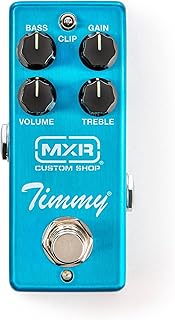
The MXR Timmy Overdrive is based on the legendary Paul Cochrane Timmy circuit, a pedal loved by players who want maximum control without taking up much pedalboard space.
Like the Morning Glory, the Timmy is often called transparent, but it has its own thing going on. The magic is in the EQ section. Instead of a simple tone knob, it gives you separate bass and treble controls, allowing you to shape your drive sound more precisely.
That makes it extremely useful if you switch guitars often. A bright Telecaster? Roll back some treble. A darker Les Paul? Open it up a bit. Playing through a bass-heavy amp? Trim the low end.
Best for:
- Players who want EQ control
- Stacking with other overdrives
- Blues, country, rock, and pop
- Compact pedalboards
Practical tone setting:
- Gain: 10–11 o’clock
- Volume: Slightly above unity
- Bass: Adjust to taste, usually around noon
- Treble: Adjust to taste, usually around noon
- Clip switch: Try the middle or lower-gain mode for more open tones
One of the best ways to use the MXR Timmy is as a first-stage drive. Put it before another overdrive like a Tube Screamer and use it to add grit, volume, and EQ shaping. It’s like seasoning your tone before it hits the main course.
And yes, that metaphor made me hungry too.
5. MXR Duke of Tone: Boutique Flavor in a Pedalboard-Friendly Box
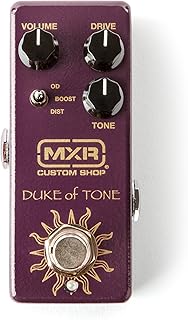
The MXR Duke of Tone Overdrive brings boutique-style drive tones into a compact and more accessible MXR format. It was created in collaboration with Analog Man and is inspired by the highly respected King of Tone-style overdrive world.
The Duke of Tone is versatile because it can work as an overdrive, boost, or distortion depending on how you set it. That makes it a great choice if you don’t want three different gain pedals taking up space on your board.
It has a warm, rich character without getting overly compressed. That means your picking dynamics still matter. Play softly and it cleans up; dig in and it growls.
Best for:
- Classic rock
- Blues-rock
- Boosting tube amps
- Players who want boutique tone in a smaller pedal
Practical tone setting for classic rock crunch:
- Output: Noon to 1 o’clock
- Tone: Noon
- Drive: 1–2 o’clock
- Mode: Overdrive
Practical tone setting for boost:
- Output: 2–3 o’clock
- Drive: Low
- Mode: Boost
The Duke of Tone works beautifully into a slightly dirty amp. If your amp is already cooking a bit, this pedal can push it into that sweet classic rock zone where power chords sound thick and solos feel more vocal.
Think blues-rock leads, crunchy rhythm parts, and that “amp about to explode but in a good way” feeling.
Honorable Mentions: Boss OS-2 and MXR EVH 5150 Overdrive
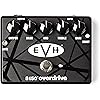
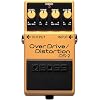
Even though this is a top five list, two pedals from your original lineup deserve a quick shoutout.
The Boss OS-2 OverDrive/Distortion is a super practical pedal because it blends overdrive and distortion in one box. It’s not as famous as the BD-2 or Tube Screamer, but it’s a solid choice for beginners or players who want flexibility without overthinking their setup.
The MXR EVH 5150 Overdrive is a different beast. Despite having “overdrive” in the name, it leans much more into high-gain distortion territory. If you want Eddie Van Halen-inspired saturation, hard rock rhythm tones, and screaming leads, it’s a monster. But for traditional overdrive sounds, the other five pedals above are more versatile.
How to Choose the Right Overdrive Pedal for Your Style
Here’s the simple version: don’t just buy the pedal your favorite guitarist uses. Think about what you need your overdrive to do.
- If you want midrange punch and solo boost, go with the Ibanez TS808 Tube Screamer.
- If you want gritty, affordable, all-purpose drive, grab the Boss BD-2 Blues Driver.
- If you want clear, natural, amp-like breakup, the JHS Morning Glory is a fantastic choice.
- If you want maximum tone shaping in a small pedal, the MXR Timmy Overdrive is hard to beat.
- If you want boutique-style warmth and flexible gain modes, the MXR Duke of Tone is a winner.
Also, remember that your amp matters a lot. The same pedal can sound totally different through a clean Fender combo, a Vox-style amp, or a cranked Marshall. Your guitar pickups matter too. A Strat with single-coils will react differently than a Les Paul with humbuckers.
Conclusion: The Best Overdrive Pedal Is the One That Makes You Play More
At the end of the day, the best overdrive pedal is not always the most expensive or the most hyped. It’s the one that makes you want to pick up your guitar and play one more riff, one more solo, one more badly timed blues bend at midnight.
All these pedals are all excellent choices, but each one speaks with a different voice. Some push your mids, some preserve your amp tone, some add grit, warmth, or extra control.
If you can, try them with your own guitar and amp. That’s where the truth lives.
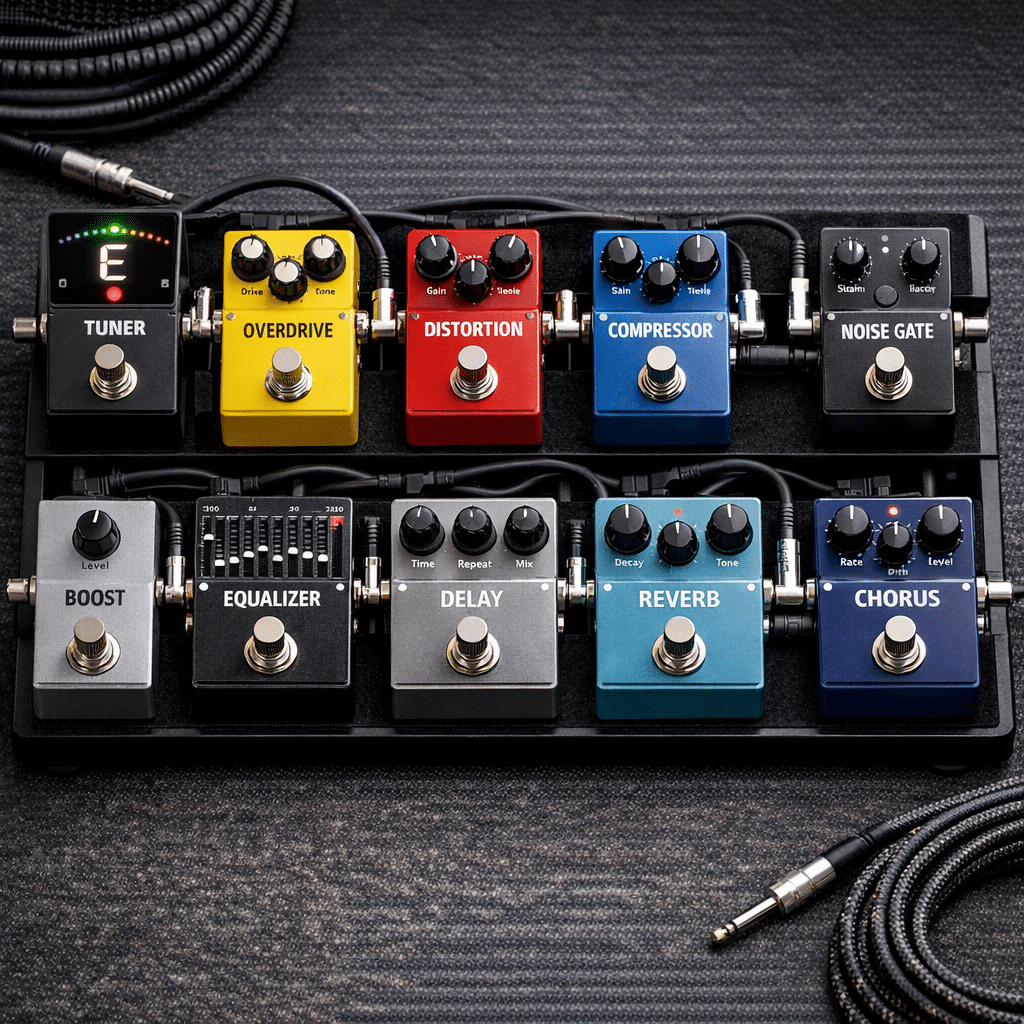
Now grab your guitar, dial in a little dirt, and see what inspires you. And if you’re building your pedalboard, check out our related guide on 10 Guitar Pedals That All Guitarplayers Must Have On Their Gear.
Which overdrive pedal is your favorite? Drop your experience in the comments and tell us what guitar, amp, and pedal combo gives you your best tone.
Enjoyed this article? Continue your guitar evolution by reading our next guide:
[Why Two Identical Guitars Can Sound Completely Different]